
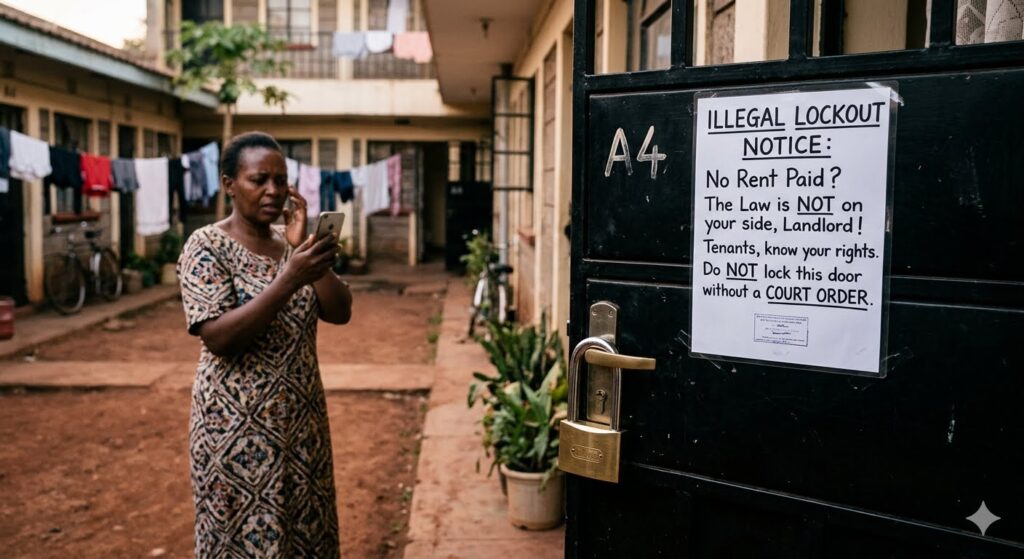
Can a Landlord Lock Your House Over Rent Arrears in Kenya? What the Law Says
Falling behind on rent is a stressful experience that many Kenyans face due to tough economic times. When rent arrears pile up, some landlords resort to extreme measures—such as putting heavy padlocks on doors, disconnecting water and electricity, or even removing roofs and doors.
But does the law actually allow this?
If you are wondering whether your landlord has the legal right to lock you out of your house because you owe rent, the short and definitive answer is NO.
Under Kenyan law, locking a tenant out of their house over rent arrears without a valid court order is completely illegal. Landlords who take matters into their own hands are committing a criminal offense and can be sued for harassment, trespass, and illegal eviction.
Here is a comprehensive breakdown of Kenyan landlord-tenant laws, what your landlord is legally allowed to do, and how you can protect yourself if you are locked out.
The Legal Framework: Tenant Protection Under Kenyan Law
In Kenya, the relationship between landlords and tenants is strictly regulated by several pieces of legislation. Landlords cannot simply make arbitrary decisions because they hold the property title deed.
The primary laws that govern these relationships include:
- The Constitution of Kenya (2010): Article 43 of the Constitution of Kenya via Kenya Law guarantees every citizen the right to accessible and adequate housing, clean water, and reasonable standards of sanitation. Courts often declare rogue lockouts unconstitutional because they strip a person of these basic human rights overnight.
- The Rent Restriction Act (Cap 296): This Act applies to most low-to-middle-income residential properties where rent falls below a certain threshold. It establishes the specialized tribunals that mediate rental conflicts.
- The Distress for Rent Act (Cap 293): This law dictates exactly how a landlord can seize property to recover unpaid rent. You can read the full breakdown of these provisions via the official FAOLEX Database.
Resorting to “self-help” eviction tactics—such as putting an extra padlock on the door or changing the keys—directly violates these laws.
Why Landlord Lockouts Are Considered a Crime
Many landlords mistakenly believe that because they own the physical building, they can cut off access to it at will. However, once a tenancy agreement is active, the tenant purchases the right to “quiet enjoyment” and safety within the property.
An illegal lockout crosses the line from a civil dispute into a criminal activity for three main reasons:
1. Utility Disconnection is an Offense
Cutting off essential services like water or electricity to force a tenant to pay up or vacate is treated as a criminal offense. Landlords cannot use water or electricity delivery as a weapon to resolve rent arrears.
2. Property Hostage Amounts to Theft
When a landlord locks you out, they are simultaneously detaining your personal belongings, clothes, electronics, and documents. Doing this without a licensed auctioneer is a form of illegal seizure or malicious damage to property.
3. Trespass and Harassment
Entering a tenant’s compound to forcefully lock them out or intimidate them breaches the peace. It opens up the landlord to severe civil lawsuits where they may be forced to pay heavy damages to the tenant.
The Lawful Way: How a Landlord Should Recover Rent Arrears
Landlords have every right to protect their financial investments and recover debts. However, the law demands that they follow due process instead of using physical force. Property owners who wish to remain compliant can consult management resources via local platforms like Pangoni Real Estate Guide or Afriqa Home Property Portal.
The standard legal path to handle defaulting tenants involves three distinct steps:
Step 1: Issue a Written Notice
The landlord must serve a formal, written demand notice. For standard monthly tenancies, the law generally requires at least a 30-day notice period to give the tenant time to either clear the balance or prepare to move out. Verbal warnings, phone calls, or threats on WhatsApp hold no legal power.
Step 2: File a Case with the Rent Restriction Tribunal
If the notice period lapses and the tenant refuses to clear the arrears or leave, the landlord must approach the Rent Restriction Tribunal (RRT). The landlord will file for an official eviction order or a possession order.
Step 3: Hire a Licensed Auctioneer (Distress for Rent)
If the landlord wants to attach the tenant’s goods to recover the money owed, they must execute the Distress for Rent process. This cannot be performed by the landlord or their caretakers. They must hire a professional auctioneer licensed under the Auctioneers Licensing Board.
Furthermore, the law explicitly exempts certain household items from being touched, including:
- Bedding and wearing apparel for the family.
- Tools of trade or professional equipment used to make a living.
- Children’s clothing and basic food items.
What to Do If Your Landlord Illegally Locks You Out
If you return home and find your house padlocked or your utilities disconnected, remain calm and take the following actionable steps:
- Do Not Break the Lock: Avoid forcefully destroying the landlord’s padlock, as this could give them grounds to file a counter-complaint against you for malicious damage to property.
- Gather Hard Evidence: Take clear photographs and video clips of the locked door, the extra padlock, or the tampered utility meters. Save every text message, email, or voice note sent by the landlord.
- Report to the Police: Head to your nearest police station and file a report regarding an illegal lockout and tenant harassment. Ensure the desk officer issues you a Police Abstract documenting the event. Police officers can escort you back to compel the landlord to remove the lock to maintain law and order.
- Escalate to the Rent Tribunal: Visit the nearest Rent Restriction Tribunal office with your tenancy agreement, proof of previous rent payments, and your police abstract. The tribunal has the power to issue an emergency injunction ordering the landlord to open the property immediately and pay you compensation for the distress caused.
Quick Reference Summary for Tenants and Landlords
| Landlord Action | Is It Legal? | Lawful Alternative |
|---|---|---|
| Placing an extra padlock on the door | NO ❌ | File a dispute with the Rent Restriction Tribunal. |
| Cutting off water or electricity supply | NO ❌ | Issue a formal 30-day demand note. |
| Evicting the tenant at night/by force | NO ❌ | Secure an eviction order from a court of law. |
| Seizing clothing, bedding, or tools of trade | NO ❌ | Hire a licensed specialist through the Distress for Rent Act Process. |
Final Word: Rent arrears are treated as a civil debt under Kenyan law, not a criminal matter. While tenants have a strict contractual obligation to pay their rent on time, landlords are equally bound to respect human dignity, human rights, and the legal pathways established by the country. Taking matters into your own hands will only invite costly civil lawsuits and potential criminal prosecution.
Published By Dan Barasa The C.E O Wakenya TV
