
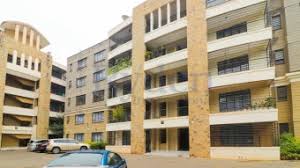
How to Buy an Apartment in Kilimani or Kileleshwa Safely from the US
Nairobi’s upscale residential suburbs—specifically Kilimani and Kileleshwa—remain top investment destinations for the Kenyan diaspora in the United States. These areas offer high rental yields, a steady supply of corporate tenants, and robust property value appreciation. However, buying a premium apartment from thousands of miles away can be a daunting process. The fear of real estate fraud, inflated construction costs, and misleading agents often prevents many diaspora buyers from securing lucrative investments back home.
In 2026, the Ministry of Lands and physical planning has tightened security frameworks through centralized digital registries, making remote property ownership safer than ever. This comprehensive guide provides a practical, step-by-step blueprint for buying a residential apartment in Kilimani or Kileleshwa safely from the US. It covers legal procedures, financing options, and the necessary due diligence checks to protect your hard-earned dollars.
Step 1: Conduct Due Diligence via Ardhi Sasa
Before sending a single dollar as a deposit for an attractive apartment design, you must verify the legal status of the land. In the past, fraudulent developers built apartments on public land or properties with unpaid bank loans.
- Request a clean copy of the mother title deed from the developer or property seller.
- Log into the official National Land Information Management System at the Ministry of Lands Ardhi Sasa Portal.
- Conduct an official digital land search using the property’s unique parcel number.
The search result will reveal the authentic registered owner, the type of land tenure (usually a leasehold for apartments in Nairobi), and whether the property has any active bank charges, court caveats, or restrictions. If a developer refuses to provide a copy of the title deed for an official search, stop the transaction immediately.
Step 2: Appoint an Independent legal Representative
Never use the developer’s or the seller’s lawyer to handle your side of the contract. The seller’s attorney represents the seller’s financial interests, not yours.
To protect your transaction, hire an independent Advocate of the High Court of Kenya who specializes in real estate law. You can verify the practicing status of any attorney through the Law Society of Kenya (LSK) Search Portal. Your lawyer will review the Letter of Offer, verify the Sectional Properties Act compliance, and draft a protective Agreement for Sale with clear penalty clauses for construction or handover delays.
If you cannot fly back to Nairobi to sign the legal title documents in person, you can grant a trusted relative or your lawyer a specific Power of Attorney. This document must be drawn up by your lawyer in Kenya, signed by you in the US, and officially notarized by a notary public before being registered at the lands registry in Nairobi.
Step 3: Evaluate Payment Models and Diaspora Mortgages
Buying an apartment in Kilimani or Kileleshwa generally follows one of three financial models:
1. Cash Purchase / Off-Plan Installments
This is the most economical path. You pay a 10% to 20% deposit upfront and distribute the remaining balance across the construction window (typically 12 to 24 months). Ensure the funds are paid directly into a verified corporate escrow account, not a personal bank account.
2. Local Commercial Bank Mortgages
Major financial institutions in Kenya offer tailored credit facilities for overseas buyers. You can apply for a structural home loan completely online through specialized desks like the NCBA Bank Diaspora Banking Desk or the Co-operative Bank Diaspora Center. These institutions offer up to 15-year repayment periods in US Dollars (USD) or Kenya Shillings (KES).
Step 4: The Critical Physical and Technical Inspection
If you are buying a completed unit or taking delivery of an off-plan apartment, do not rely on glossy marketing photos or videos. You need an objective evaluation of the construction quality.
Hire an independent, registered structural engineering firm or a professional property inspector through corporate groups like the Institution of Surveyors of Kenya (ISK) to conduct a formal inspection. The inspector will check for:
- Structural cracks, water dampness, and poor plumbing joints.
- Soundproofing and the quality of interior finishes.
- The functionality of shared amenities like lifts, high-output backup generators, and borehole filtration systems.
The inspector will generate a formal “snag list” of defects that the developer must fix before you sign the final handover certificate.
Directory of Trusted Real Estate Partners
Official Real Estate Directory & Verification Links
🗺️ National Land Information System (Ardhi Sasa)
- Institutional Purpose: Title Deed Verification, Search Records, and Legal Land Mapping
- Direct Access Portal: Visit the Government Ardhi Sasa Registry Portal
⚖️ Law Society of Kenya (LSK)
- Institutional Purpose: Verification of Registered Property Lawyers and Advocates]
- Direct Access Portal: Search the Law Society of Kenya Registered Advocates Database]
- Official Hotline: +254 799 595 800] [1, 2]
📐 Institution of Surveyors of Kenya (ISK)
- Institutional Purpose: Independent Structural Inspections, Property Valuations, and Land Boundary Audits]
- Direct Access Portal: Access the Institution of Surveyors of Kenya Directory
- Official Hotline: +254 724 929 737] [1]
🏦 NCBA Bank Diaspora Banking
- Institutional Purpose: Diaspora Property Financing, Escrow Management, and Home Mortgages
- Direct Access Portal: Explore NCBA Bank Diaspora Property Finance Packages
- Official Hotline: +254 711 056 444]
Essential Contacts for Diaspora Buyers
For official complaints, property verification assistance, or tracking institutional land registry delays, you can reach out directly to these regulatory desks:
- Official Land Information Portal: Verify title records securely via the Government Ardhi Sasa Registry.
- Ministry of Lands Headquarters (Ardhi House, Nairobi): +254 743 333 000
- Law Society of Kenya Support Line: +254 20 387 4664
Published by Dan Barasa The C.E.O Wakenya TV
